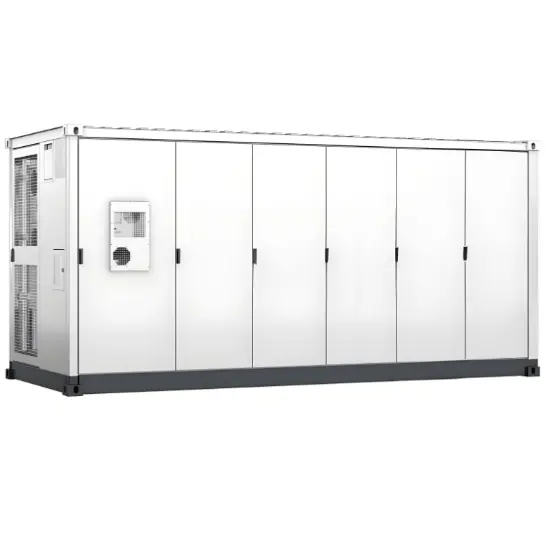
3.44MWh Battery utility-scale energy storage battery System
Key attributes
| Brand | Rw Energy |
| Model NO. | 3.44MWh Battery utility-scale energy storage battery System |
| Rated capacity | 3.44MWh |
| Max discharge power | 0.5P |
| Series | BESS |
Description
Description
It is a new generation of utility-scale energy storage system with advanced design principle. The system features of effective liquid cooling, higher efficiency, higher safety and Intelligent O&M. The modular design can satisfy the majority of demanding applications andemerging scenarios,and deliver the most services and value to customers and the grid.
Features
Non-uniform and refined pipeline design, achieving temperature difference <2.5C.
Multiple liquid cooling control modes and auxiliary power consumption decrease by 20%.
Adopting cluster management technology and system efficiency increases by 1%.
Cell to Cell active balance ensures the consistency between cells.
Multiple level protection from cell to system to prevent from uncontrolled heat spread.
Equipped with deflagration venting, gas fire protection and water suppression to ensure the final protection.
Smart management and real time monitoring ensures high efficient commission.
Compact design with side-by-side layout and standard 20ft container design ensures 6.88MWh/40FT.
Release existing transmission capacity and relieve network peak load.
Supplement to the electricity supply, reducing the cost and ensuring the stable power network.
Parameters

What is air cooling?
The basic principle of air cooling technology is to take away the heat generated by battery cells through flowing air, thus keeping the battery temperature within a reasonable range. As a heat transfer medium, air can achieve heat exchange through natural convection or forced convection.
Natural convection:Natural convection refers to the phenomenon in which air flows by itself due to the difference in air density caused by temperature differences.In some cases, natural convection can be used to achieve simple thermal management, but this is usually not sufficient to meet high-intensity or high-density energy storage requirements.
Forced convection:Forced convection is to accelerate air flow through fans or other mechanical devices, thereby improving heat exchange efficiency.In container energy storage systems, forced convection is usually used to achieve effective thermal management.
Solutions for energy storage battery System
-
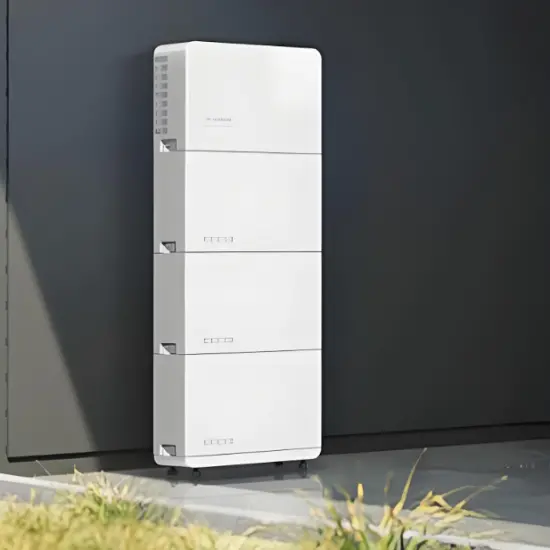 Residential Battery Storage Solutions: Enabling Intelligent Energy Management for Home Solar SystemsResidential Battery Storage Solutions: Enabling Intelligent Energy Management for Home Solar SystemsI. Core Needs & BackgroundWith the proliferation of distributed solar PV, households face three key challenges in self-consumption: Temporal Mismatch: Peak solar generation (daytime) does not align with peak household consumption (evening). Grid Limitations: Some regions impose restrictions on surplus feed-in quotas or have low buyback tariffs. Power Resilience: Risk of outages during extreme
-
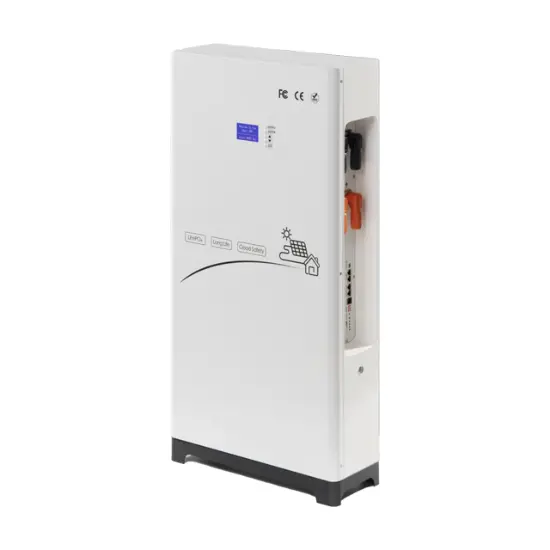 The Smart Residential Battery Storage Solution for Energy Independence and Savings (Highlights key benefits)The Smart Residential Battery Storage Solution for Energy Independence and Savings (Highlights key benefits)I. Core Value of the Solution Maximize Solar PV Value: Self-Consumption Multiplier: Stores excess solar power generated during the day for use at night or on cloudy days, significantly increasing the self-consumption ratio (typically above 70%), avoiding revenue loss from selling excess power back to the grid at low feed-in tariffs. Freedom from Time Constraints: Use your green energy a
-
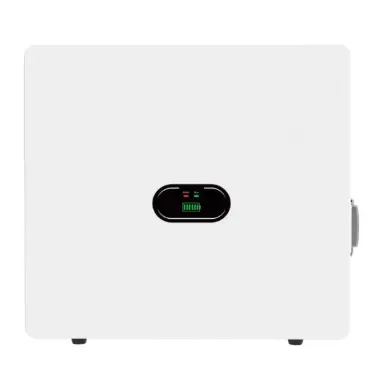 Residential Battery Storage: Energize Your Future & Claim Home Energy FreedomResidential Battery Storage: Energize Your Future & Claim Home Energy FreedomImagine this: A violent thunderstorm sweeps through your neighborhood. Outside, transformers crackle as the grid fails - lights flicker, Wi-Fi dies, refrigerator hums fall silent. Yet inside your home? Lights blaze, internet streams, your family safely gathers. This is the power of residential battery storage: reclaiming control and energy independence for the modern American household.In our pursuit of "green elect
-
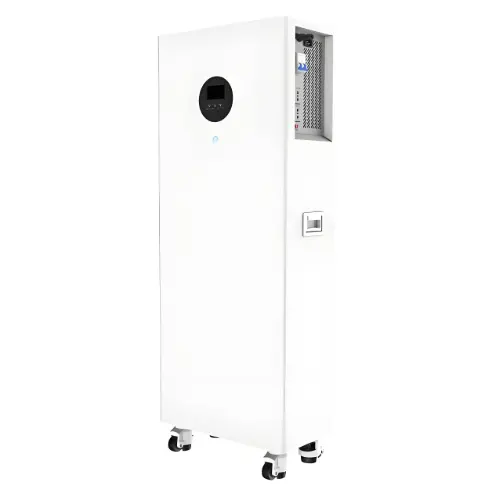 Off-Grid Backup Power Solution: Detailed Analysis of Residential Battery Energy Storage SystemsOff-Grid Backup Power Solution: Detailed Analysis of Residential Battery Energy Storage SystemsHow do traditional households ensure continuous power supply during grid outages?Solution Architecture: Core Components Energy Storage Battery (LiFePO4/LFP) Off-Grid Inverter (with Grid-On/Off switching function) Intelligent Energy Management System PV Charge Controller (MPPT technology) System Workflow When Grid is Normal:PV Generation → Home Consumption → Battery Storage → Excess Power Fed to
FAQ for energy storage battery System
The basic principle of air cooling technology is to take away the heat generated by battery cells through flowing air, thus keeping the battery temperature within a reasonable range. As a heat transfer medium, air can achieve heat exchange through natural convection or forced convection.
-
Natural convection:Natural convection refers to the phenomenon in which air flows by itself due to the difference in air density caused by temperature differences.In some cases, natural convection can be used to achieve simple thermal management, but this is usually not sufficient to meet high-intensity or high-density energy storage requirements.
-
Forced convection:Forced convection is to accelerate air flow through fans or other mechanical devices, thereby improving heat exchange efficiency.In container energy storage systems, forced convection is usually used to achieve effective thermal management.
Yes, by adopting the "Cell to Cell" active balancing and cluster level cluster management technology, the system efficiency is improved by 1% and the capacity utilization is higher.
Adopting a multi-mode liquid cooling control strategy, auxiliary power consumption is reduced by 20%, and the annual PUE is better, especially suitable for high-density and continuous charging and discharging conditions.
Can smooth out fluctuations in photovoltaic/wind power output and improve dispatchability; Cooperate with a 100MW power station to increase the consumption rate of new energy by about 20% and reduce wind and solar power curtailment.
-
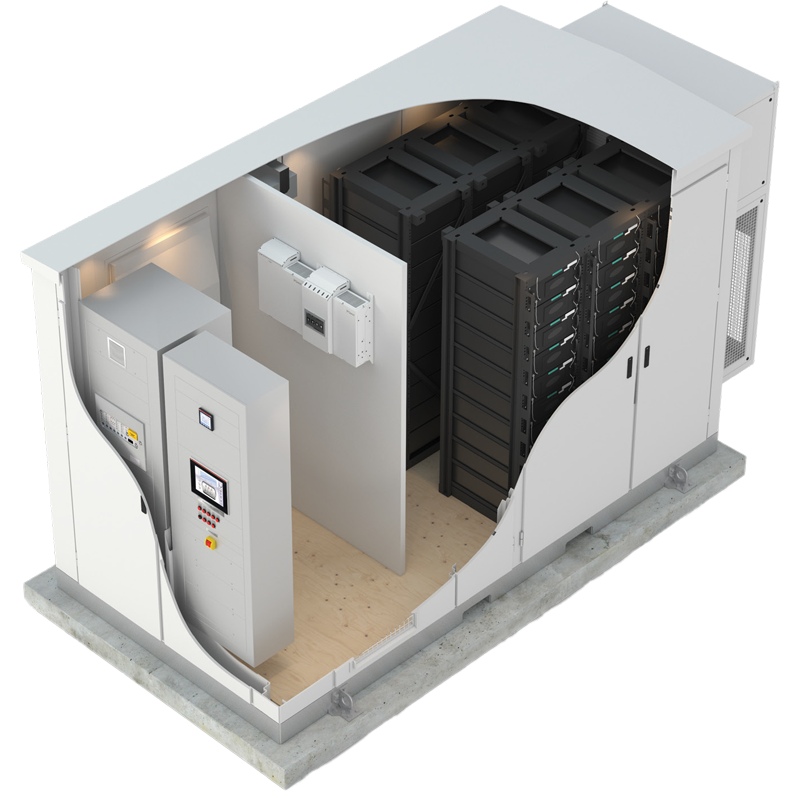
60Kwh 3-phase Battery energy storage system of cabinet
-
300/600Kwh modular battery energy storage system unit
-
2.4–10.24 KWh Household Wall - Mounted Energy Storage Battery
-
5.12kWh low-voltage wall-mounted lithium battery
-
2.4KWh-10.24KWh Rack type energy storage battery(Industrial&Commercial energy storage)