Interference Generated by Frequency Converters and Solutions
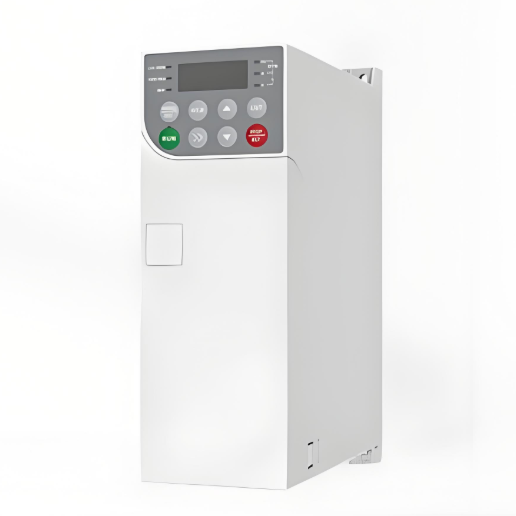
A frequency converter is a device used to adjust the speed and voltage of an electric motor by changing the motor's supply frequency to achieve speed control. However, during operation, frequency converters generate some interference that can negatively impact other electronic equipment and the power grid. Therefore, it's necessary to adopt solutions to mitigate this interference.
- Electromagnetic Interference (EMI): When adjusting the motor's supply frequency, frequency converters generate high levels of electromagnetic noise. This noise propagates through power lines, signal lines, and control cables to other devices, interfering with the normal operation of electronic equipment.
- Harmonic Pollution: Operation of frequency converters produces harmonic signals of higher frequencies. These harmonic signals propagate through the power grid, polluting the power system. Harmonic signals can cause distortion in grid voltage and deformation of current waveforms, subsequently affecting the operation of other equipment.
- Relay Chattering: During operation, frequency converters control the starting and stopping of motors via relays. Due to the high operating frequencies of converters, relays are prone to chattering. This chattering causes the motor to start and stop frequently, generating interference for other devices.
To address the interference issues caused by frequency converters, the following solutions can be implemented:
- Use of Filters: Installing filters can effectively reduce electromagnetic interference generated by frequency converters. Filters process both electromagnetic noise and harmonic signals, lessening their disruptive effects on other devices.
- Grounding and Shielding Measures: Implementing proper grounding and shielding can effectively reduce the propagation of electromagnetic interference. The enclosures of the frequency converter, motor, and other equipment should be well-grounded. Shielded cables should also be used to block the propagation of electromagnetic noise.
- Adjusting the Operating Frequency of the Converter: Adjusting the operating frequency of the frequency converter can reduce the harmonic signals it produces. Selecting an appropriate operating frequency ensures the converter works within a lower harmonic frequency range, minimizing harmonic pollution of the power system.
- Selecting High-Quality Converter Products: Choosing certified, high-quality frequency converter products can effectively reduce interference. During the design and manufacturing of quality converters, interference issues are considered, and corresponding measures are implemented for suppression.
- Reasonable Equipment Layout: Arrange the frequency converter and other equipment rationally, maintaining adequate distances to reduce interference propagation. Sufficient spacing should be maintained between the frequency converter and other devices to avoid mutual signal interference.
In conclusion, the interference generated by frequency converters and its impact on other equipment and the power grid cannot be overlooked. To resolve these interference problems, a series of measures are needed, including the use of filters, grounding and shielding measures, adjusting operating frequencies, selecting high-quality products, and arranging equipment reasonably. Only by implementing these solutions can the interference generated by frequency converters be effectively reduced, ensuring the normal operation of equipment.