Full-Lifecycle Management of Distribution Grid recloser controllers: A Five-Stage Synergistic Solution to Five Core Pain Points
The recloser controller is the "chief steward" of 10-35kV medium-voltage distribution networks. Standardized management across every phase—from model selection and manufacturing to installation, daily O&M, and final decommissioning—directly determines whether the power supply remains stable and if the grid can achieve rapid self-healing.
This solution focuses on the "lifespan" of the controller, providing simple, actionable, and cost-effective measures for each stage. It achieves efficient full-process management to support the intelligent upgrade of distribution networks.
I. Pain Points: Five Major Hurdles from Selection to Decommissioning
The lifecycle of a controller is often hindered by five core issues:
Improper Selection: Failure to customize for specific environments (e.g., rural areas or high altitudes), leading to equipment "maladaptation."
Poor Manufacturing: Manufacturers cutting corners with inferior components, resulting in weak interference resistance and frequent failures.
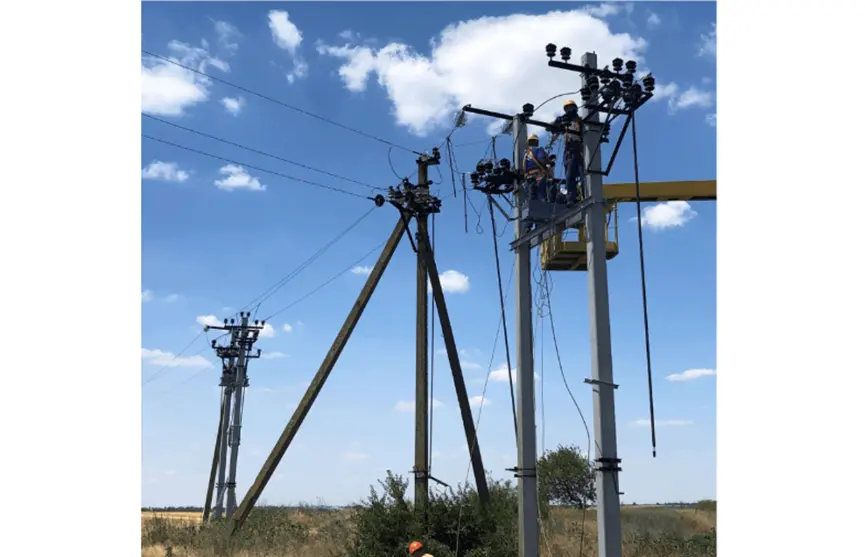
Non-Standard Installation: Careless construction and inadequate lightning protection or sealing create hidden safety hazards.
Complex O&M: Lack of intelligent monitoring makes fault troubleshooting time-consuming and expensive, relying heavily on manual site visits.
Improper Decommissioning: Discarded equipment is often disposed of randomly, causing resource waste, environmental pollution, and a lack of traceability.
II. Five-Stage Synergistic Solution: Full-Process Optimization
We address these pain points with targeted, actionable measures across five key stages.
1. Design & Selection: Avoiding Pitfalls at the Source
Scenario-Based Selection: Customize equipment for specific environments (urban, rural, high-altitude, frigid, or coastal). Define clear requirements for temperature tolerance, communication methods, and protection functions.
Prioritize Quality: Choose industrial-grade components that support standard communication protocols and intelligent monitoring. Avoid low-cost, inferior products.
2. Manufacturing: Strict Quality Control
Component Verification: Core parts (chips, power modules) must undergo temperature, interference, and insulation testing to ensure a service life of 15+ years.
Optimized Design: Use modular structures and shielded enclosures for better interference resistance. Every unit must pass fault detection and switching tests before leaving the factory.
3. Installation & Commissioning: Standardized Construction
Protective Measures: Avoid installation during extreme weather. Ensure outdoor equipment is properly sealed, grounded, and protected against lightning and electromagnetic interference.
Standardized Debugging: Rigorously test parameters, communication, and switching operations. Equipment should only be energized after passing all commissioning tests.
4. Operation & Maintenance (O&M): Intelligent and Efficient
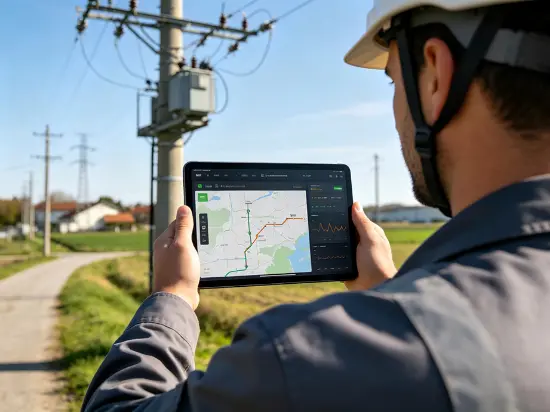
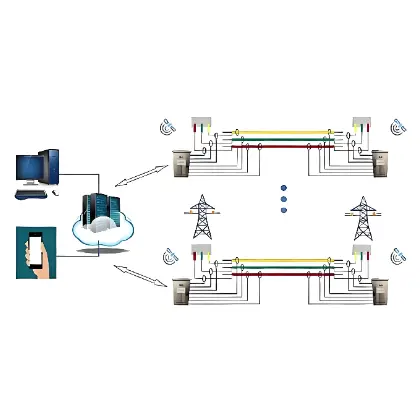
Smart Monitoring: Utilize intelligent systems to monitor temperature, voltage, and communication status in real-time. Detect aging or anomalies early to enable proactive maintenance.
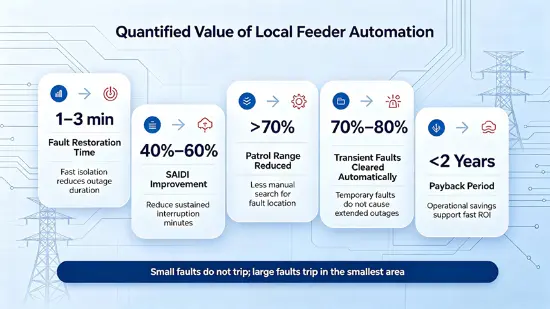
Streamlined Processes: Support remote parameter adjustments and fault queries. By reducing manual site visits, O&M costs can be lowered by over 60%.
5. Decommissioning: Eco-Friendly and Traceable
Classified Recovery: Back up data and dismantle equipment before disposal. Separately recycle reusable chips and power modules to minimize waste.
Green Disposal: Treat non-recyclable parts according to environmental standards to prevent electronic waste pollution. Maintain records for full lifecycle traceability.
III. Outcomes and Support: Reduced Faults, Lower Costs
1. Triple Protection for Peace of Mind
Technical Support: Full-process technical guidance from selection to decommissioning to ensure effective implementation.
Quality Guarantee: One-year free warranty and lifelong maintenance with a steady supply of core spare parts.
Training Support: Specialized training for O&M personnel to enhance their operational and troubleshooting skills.
2. Visible Core Results
Significant Fault Reduction: Failure rates drop by over 95%, while power supply reliability increases to 99.97%.
Substantial Cost Savings: Total lifecycle costs are reduced by over 50% by avoiding losses from outages and equipment failure.
Full-Process Controllability: Achieves comprehensive management that aligns with the requirements for intelligent and green grid development.
Deployed Equipment
-
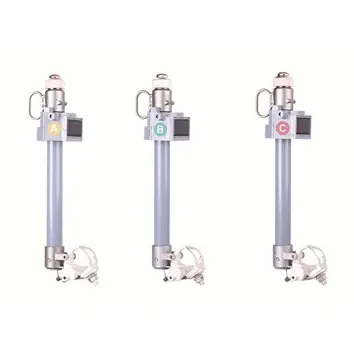
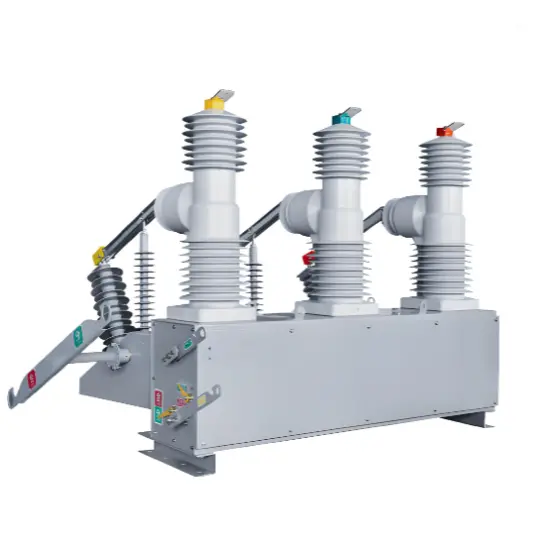 Outdoor Three-Phase High-Voltage Vacuum Circuit Breaker 40.5kVThe recloser is an outdoor high-voltage vacuum circuit breaker designed for 35kV/40.5kV medium-voltage overhead power distribution networks. It integrates a uniquely designed encapsulated pole and highly reliable operating mechanism, enabling it to safely make, carry, and break load currents, overload currents, and short-circuit currents. Engineered for long-term outdoor operation, this device delivers stable performance and minimal maintenance requirements, making it an ideal solution for moder
Reference Projects
-
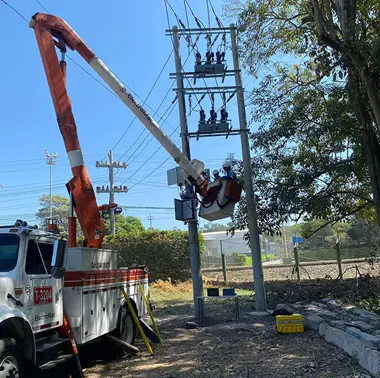 RW Energy Colombia PV Plant 35 kV Recloser Controller Project Case StudyFacing the frequency fluctuation and grid connection challenges of Colombia’s low-inertia photovoltaic power grid, this solution leverages customized recloser control and optimized frequency protection technologies to precisely adapt to the local 60Hz grid standard. It effectively addresses grid fluctuation issues under complex grid connection conditions, delivering a highly reliable and strong anti-interference grid protection solution for photovoltaic power plants and ensuring their stable and
 -
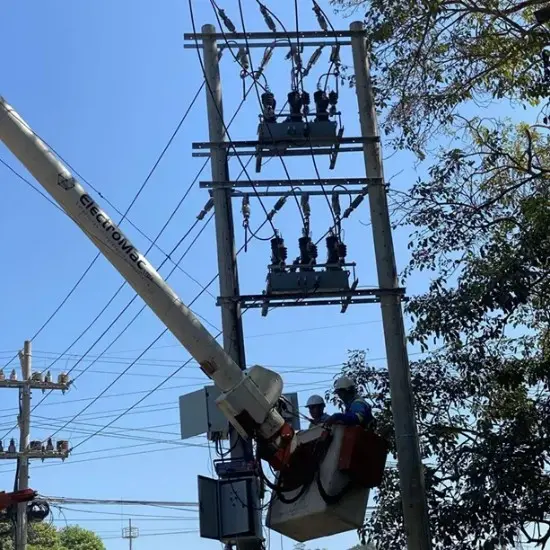 420 Units of 11 kV Automatic Reclosers for Dhaka Grid Upgrade01 General Overview: Dhaka 11 kV Distribution Grid Upgrade1.1 Project BackgroundBangladesh is currently undergoing a period of rapid economic and industrial development, and the growing demand for electricity has placed immense pressure on the local distribution networks. However, the country's existing 11 kV backbone distribution lines are facing severe equipment aging issues. The original switchgear suffers from serious mechanical wear, resulting in not only high failure rates but also sluggis
 -
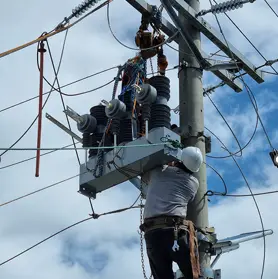 RW Energy Tanzania 325 Units 33 kV Auto Recloser Project Case StudyFocusing on the medium‑voltage distribution network upgrading demands in Tanzania, this solution adopts 325 sets of high‑reliability 33kV auto-reclosers integrated with FTU intelligent control and high environmental adaptability technologies to isolate faults and restore power supply rapidly, consolidating the stable foundation of regional power grids.01 Project Overview1.1 Project BackgroundIn 2025, 325 units of 33 kV auto reclosers were officially supplied and applied to the Tanzania medium-vo
 -
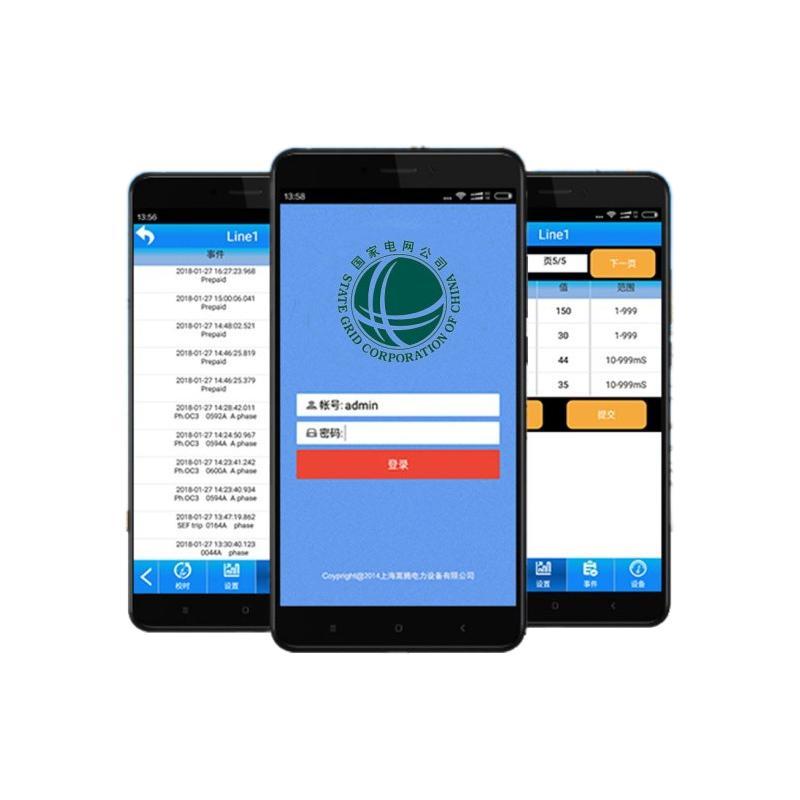 RW Energy Multi Country SMS Based Auto Recloser Controller Case StudyBreaking the communication bottlenecks in remote areas worldwide, this solution takes SMS communication as its core innovation and develops recloser controllers adaptable to multiple countries and diverse climates. Free from reliance on 4G networks, it enables rapid fault early warning and remote operation & maintenance management, helping various regions resolve distribution network operation challenges in remote areas and inject intelligent momentum into global rural power grid upgrading.0
 -
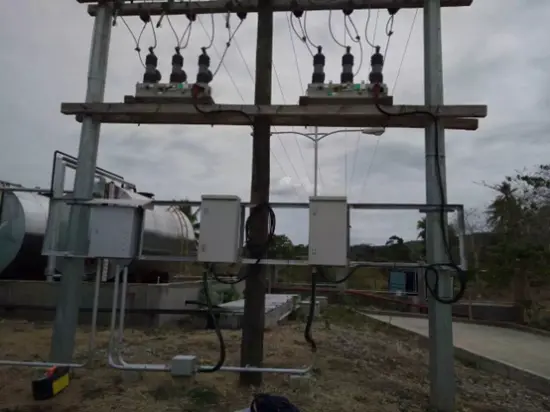 RW Energy Bangladesh 230 Units 11 kV Vacuum Circuit Breaker Intelligence Retrofit Case StudyFocusing on Bangladesh’s distribution network automation upgrade demands, the intelligent retrofitting of 230 sets of 11kV VCBs integrates intelligent control and anti-corrosion technologies. Adopting a cost-effective renewal model for legacy grids, it enables equipment reuse and efficiency improvement, advances regional distribution network digital transformation, and sets a benchmark for the intelligent upgrading of aging switchgear in South Asia.01 Project Overview1.1 Project BackgroundIn Dec
 -
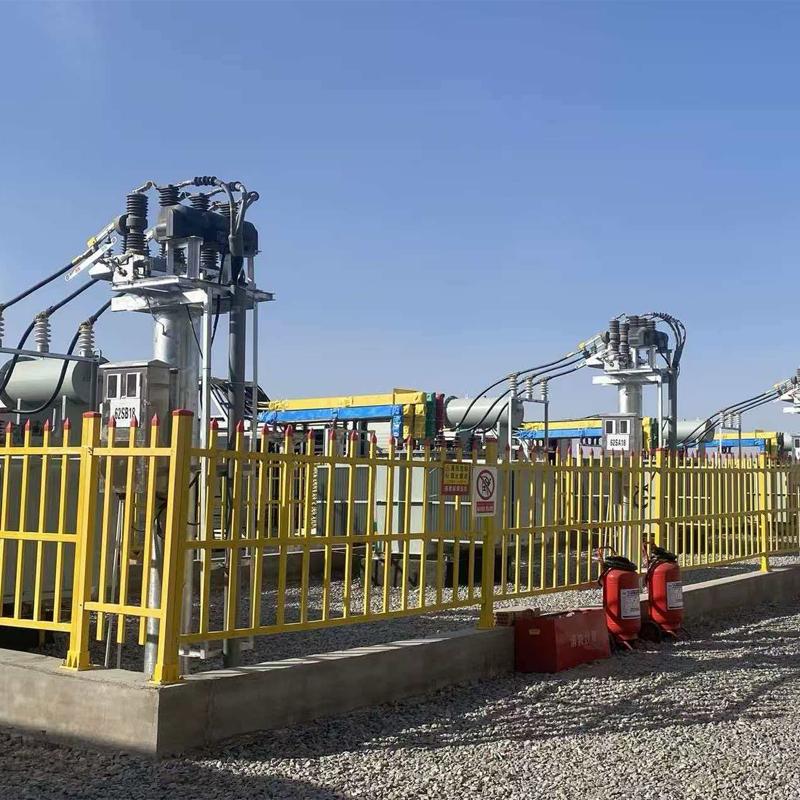 RW Energy Xinjiang Bazhou Large-scale Data Center 6 kV Industrial Grid Intelligent Power Distribution Upgrade Case StudyFocusing on the high-reliability power supply demands of data centers, this project upgrades the 6kV industrial intelligent power distribution system. It enhances anti-sandstorm and wide-temperature environmental adaptability, integrates rapid protection and remote intelligent operation and maintenance technologies, stably supports high-density computing loads, and empowers the intelligent transformation of power grids in western computing hubs.01 Project Overview1.1Project BackgroundBayingolin