Green AI Data Centre Power Solution
1. Industry Background and Pain Points
1.1 Industry Background
In the AI large-model era, the power density of a single data-centre rack has jumped from the traditional 8 kW to 50–100 kW+, and total electrical load is moving from tens of megawatts to hundreds of megawatts. Power systems that are highly efficient, space-saving and quick to deploy have become the core competitive advantage of computing infrastructure.
1.2 Four Pain Points of Traditional Data-Centre Power Supply
| Pain point | Description | Physical root cause |
|---|---|---|
| Long power chain | 10 kV → line-frequency transformer → 400 V → AC/DC → isolated DC/DC → 48 V | Five conversion stages, each losing 3%–5% |
| Efficiency bottleneck | Full-chain efficiency of only ~86% | Cumulative losses across multiple stages |
| Excessive footprint | Substation + UPS + distribution panels stacked | Line-frequency transformer plus multiple devices |
| Slow deployment | 12+ months of on-site construction | Dispersed equipment, complex wiring |
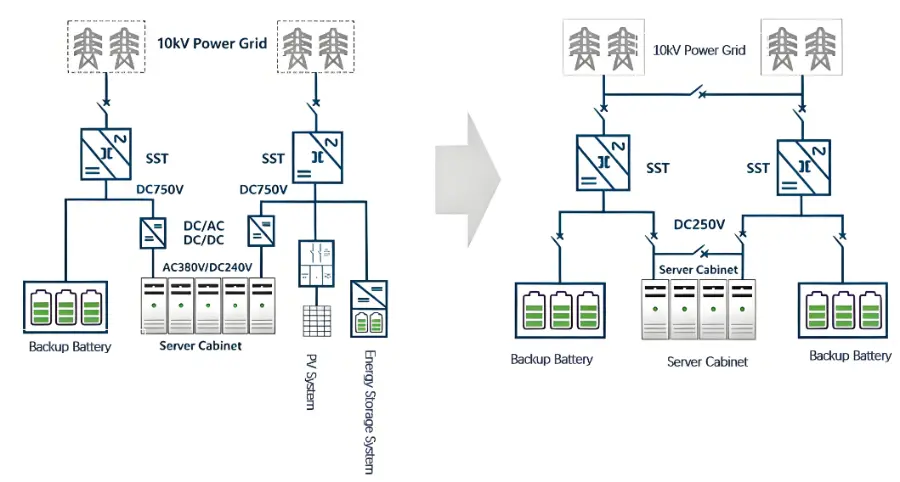
1.3 Traditional vs. SST Power Chain — the Physical Difference
Traditional chain (5 conversion stages)
| Step | Equipment | Loss | In plain terms |
|---|---|---|---|
| ① | Line-frequency transformer | 1%–2% | Steps 10 kV down to 400 V |
| ② | AC/DC rectifier | 2%–3% | Converts AC to DC |
| ③ | Isolated DC/DC | 2%–3% | Isolated DC conversion |
| ④ | Distribution busbar | 0.5% | Power delivery |
| ⑤ | Board-level power | 3%–5% | Steps down to CPU voltage |
SST direct-connection chain (2 stages)
| Step | Equipment | Loss | In plain terms |
|---|---|---|---|
| ① | SST solid-state transformer | 1%–2% | Directly connected at 10 kV; transformation, rectification and isolation in one step |
| ② | Board-level power | 3%–5% | Steps down to CPU voltage |
Physical root cause: SST medium-voltage direct connection eliminates the line-frequency transformer and the intermediate conversion stages, removing the 3%–5% loss of each eliminated stage.
2. Solution Overview and Value Proposition
2.1 Solution Definition (BLUF)
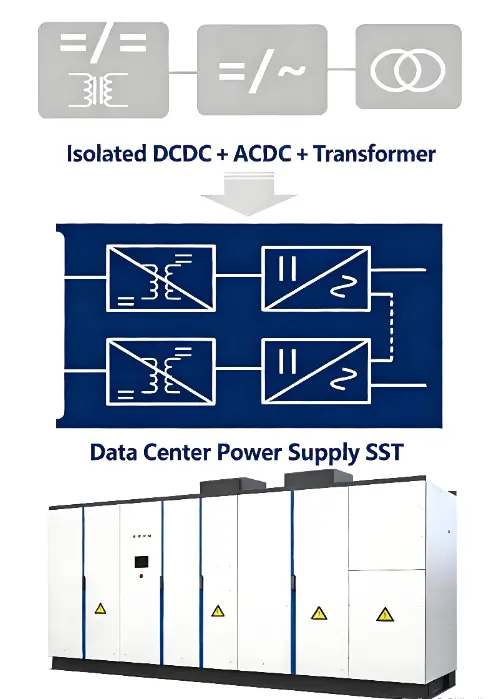
Replacing the traditional "isolated DC/DC + AC/DC + line-frequency transformer" chain with SST solid-state power delivers:
- Full-chain efficiency of ≥90.8% (+5%)
- Footprint reduced by 65%
- Copper content reduced by 90%+
- Installation time reduced by 75%
2.2 Core Value Proposition
| Value dimension | Metric | vs. traditional |
|---|---|---|
| Full-chain efficiency | ≥90.8% | Traditional ~86%, +5% |
| Footprint | −65% | One integrated module |
| Copper content | −90%+ | Medium-voltage direct connection removes low-voltage high-current busbars |
| Installation time | −75% | Factory pre-fabrication plus plug-and-play |
| Reliability | N+X redundancy | Automatic bypass on single-module fault |
3. System Architecture
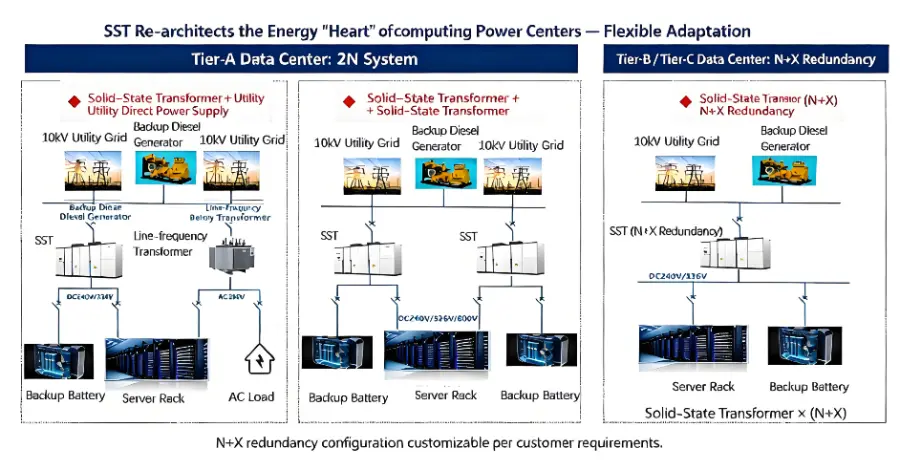
3.1 System Topology (Layer by Layer)
① Medium-voltage connection: dual-loop 10 kV incoming — with incoming protection and metering
② SST power modules (N+X redundant): 10 kV AC → DC busbar → 400 V / 48 V output, with automatic fault bypass
③ Distribution layer: column header → racks — servers / storage / AI accelerators
④ Management layer: environment monitoring and energy management
| Layer | Composition | Power flow | Design rationale |
|---|---|---|---|
| ① Medium-voltage connection | Dual-loop 10 kV | Grid → SST | Redundant dual-supply feeding |
| ② SST supply | N+X modules | 10 kV → DC → Load | Integrated conversion and redundancy |
| ③ Distribution layer | Column header + racks | DC/AC → Servers | Local distribution to cut losses |
| ④ Management layer | Environment monitoring + EMS | Information flow | Energy-efficiency monitoring |
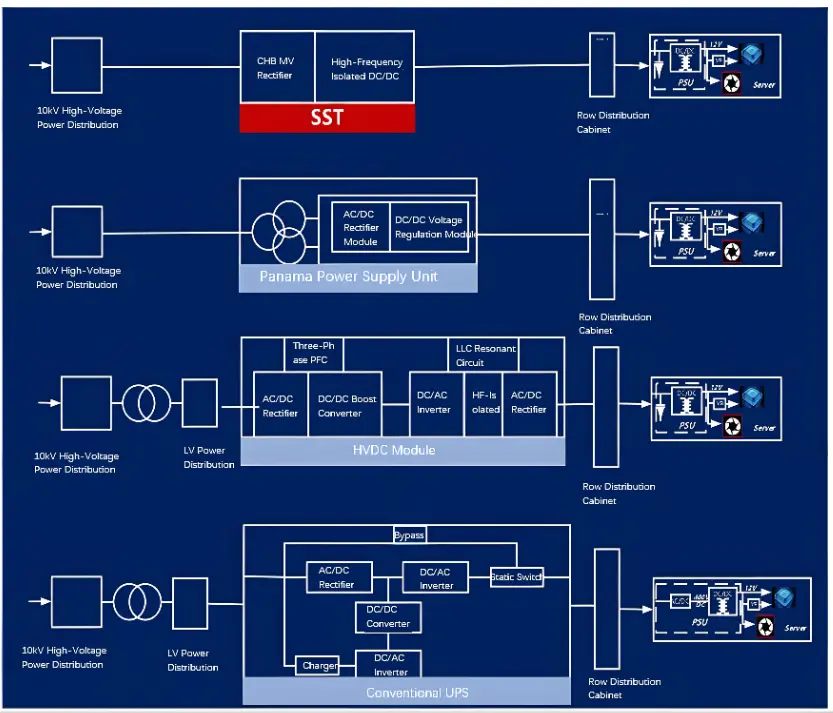
3.2 Comparison with the Traditional Chain
| Stage | Traditional | SST | Benefit |
|---|---|---|---|
| Voltage conversion | Line-frequency transformer + AC/DC + DC/DC | Single SST unit | Eliminates 3 conversion stages |
| Supply architecture | Dispersed stacking | Modular and integrated | Footprint −65% |
| Construction | On-site wiring | Factory pre-fabrication | Time −75% |
4. Core Equipment and Technical Parameters
| Parameter | Value | Physical significance |
|---|---|---|
| Full-chain efficiency | ≥90.8% | Saves the loss of 3 conversion stages |
| Footprint | -65% | Integrated module |
| Copper content | -90%+ | Medium-voltage direct connection |
| Installation time | -75% | Factory pre-fabrication |
| Reliability | N+X redundancy | Automatic fault bypass |
| Power class | Modular and scalable | Suited to AI clusters |
5. Technical Highlights and Physical Principles
5.1 Highlight 1: A Slimmer Power Chain
Physical principle: every AC/DC or DC/DC conversion stage carries a 3%–5% loss. The SST merges transformation, rectification and isolation into a single stage, cutting the chain from five stages to two and eliminating those losses.
Quantified benefit: +5% efficiency and a significant drop in PUE.
5.2 Highlight 2: Medium-Voltage Direct Connection
Physical principle: the traditional approach needs low-voltage high-current busbars (400 V, thousands of amps) to deliver power, with heavy copper loss. The SST connects directly at 10 kV, delivering power at high voltage and low current, so busbar copper usage collapses.
Quantified benefit: copper content −90%+, with lower heat generation and reduced fire risk.
5.3 Highlight 3: Plug-and-Play
Physical principle: modular factory pre-fabrication means only assembly and wiring are needed on site.
Quantified benefit: installation time −75%, letting AI computing centres come online quickly.
6. Economic Comparison with the Traditional Approach
| Cost item | Traditional | SST | Savings |
|---|---|---|---|
| Civil works (footprint) | Baseline | −65% | Significant |
| Copper material | Baseline | −90% | Material costs slashed |
| Electricity (efficiency) | Baseline | +5% | Large annual savings |
| Construction | 12 months | 3 months | Early-launch revenue |
7. Landmark Project References
| Project | Application | Key data |
|---|---|---|
| GDS Chongqing | Direct-connected energy-storage integration | 90% overall efficiency |
| CNPC Kunshan | Charging station | 95%+ efficiency |
| Guangdong Power Grid | Flexible interconnection | 98.7% efficiency |
8. Technical Standards and Compliance
| Standard | Scope |
|---|---|
| GB 50174 | Data-centre design code |
| GB/T 34120 | Energy storage connected to the grid |
| IEC 61850 | Communication |
9. Delivery and Services
- Factory pre-fabricated modular units
- Plug-and-play installation on site
- Full-lifecycle remote operation and maintenance
Deployed Equipment
-
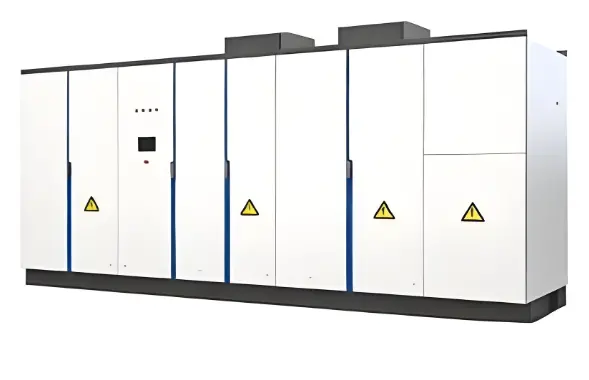
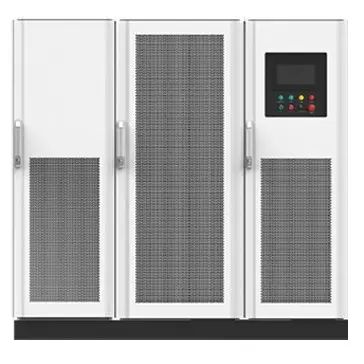 RWSST High Efficiency Solid State Transformer 8.5kV to 40.5kVRWSST Series 840–3360 kVA, featuring ultra-high efficiency, outstanding safety & reliability, flexible combination and prefabricated design.The single system adopts N+3 redundancy to form an N+X architecture, delivering higher reliability. It optimizes power supply structure, achieves higher efficiency, faster deployment and more flexible power distribution solutions.Built-in prefabricated structure, cabinets are connected via busbars, which greatly reduces installation costs such as c
 -
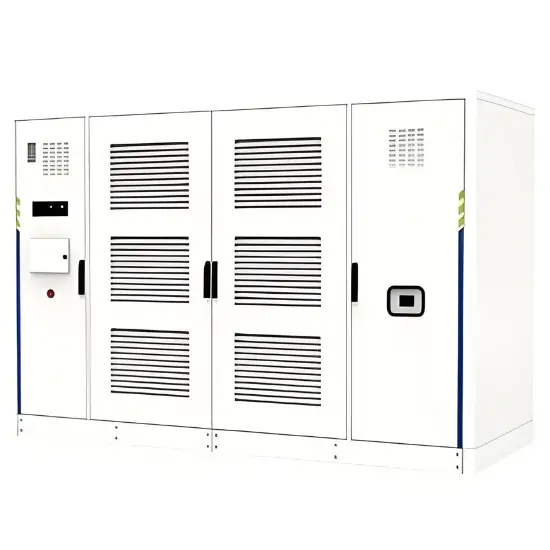 Modular Solid State Transformers for Adaptable Energy IntegrationProduct DescriptionSolid-state transformers (SSTs), also known as power electronic transformers, are based on the core concept of Power Electronic Building Blocks (PEBB). They generally employ a modular series-parallel topology to facilitate the flexible integration of varying voltage levels, capacity ratings, and forms of electrical energy, thereby enabling adaptable configurations for diverse application scenarios.FeaturesSmall size, few links, average efficiency improvement 3% (2%~5%)High fre
 -
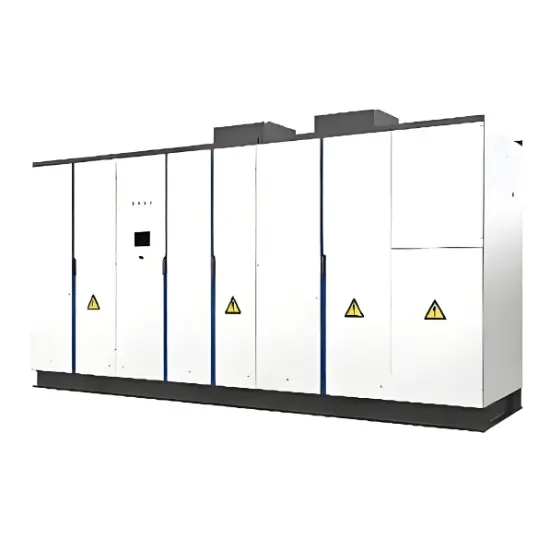 Modular Solid State Transformer for Data Centers based on PEBB TechnologyTheData Center Solid State Transformer (SST), also known as the Power Electronic Transformer (PET), represents the next generation of green power distribution for mission-critical facilities. Built on the core philosophy ofPower Electronic Building Blocks (PEBB), it utilizes an advanced modular series-parallel topology. Unlike traditional transformers, the SST enables millisecond-level voltage regulation and fault isolation. It serves as an "Energy Router," providing flexible access for various