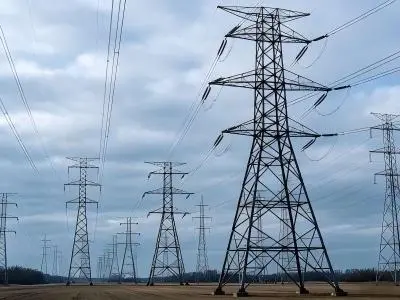
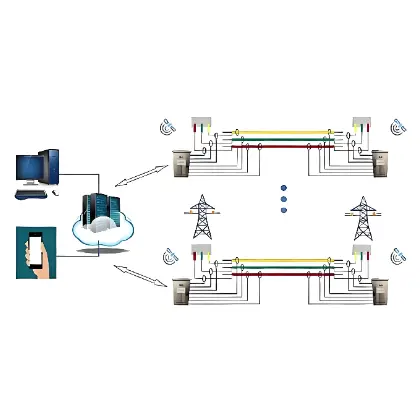
Technical Solution: Enhancing Recloser Controllers Reliability for 10-35kV Mid-Voltage Grids
The recloser controller serves as the "protective brain" of 10-35kV medium-voltage distribution networks. Its reliability directly determines whether a line trips unnecessarily, fails to trip when needed, or causes large-scale blackouts. Currently, many devices suffer from poor material quality and oversimplified designs, leading to frequent malfunctions (nuisance tripping) or failure to operate, which severely compromises power safety. Based on a real-world rural grid case, we present a specialized solution to fundamentally resolve these reliability issues.
I. Pain Points: Frequent Malfunctions in Rural Grids
Core Issues
Substandard Components: To cut costs, some manufacturers use cheap chips and power modules that fail during voltage fluctuations or minor interference.
Simplified Circuitry: Inability to distinguish between transient faults (like lightning) and permanent line faults, leading to misjudgment.
Poor Interference Resistance: Devices frequently trip erroneously or fail to act during thunderstorms or in complex electromagnetic environments.
Rigid Parameter Tuning: Protection settings are often limited to fixed steps, making it impossible to coordinate precisely with line protection.
Real-World Case A 35kV rural substation equipped with 12 legacy controllers faced frequent issues after only two years: In the summer of 2024, during a thunderstorm, a transient grounding fault occurred. Three controllers failed to operate (refusal to trip), causing the fault to escalate. This resulted in an 8-hour blackout for three villages, affecting over 500 households. Additionally, the equipment experienced approximately two nuisance trips per month. The Root Cause: Cheap power supplies + simple circuitry + lack of shielding + imprecise parameter settings.
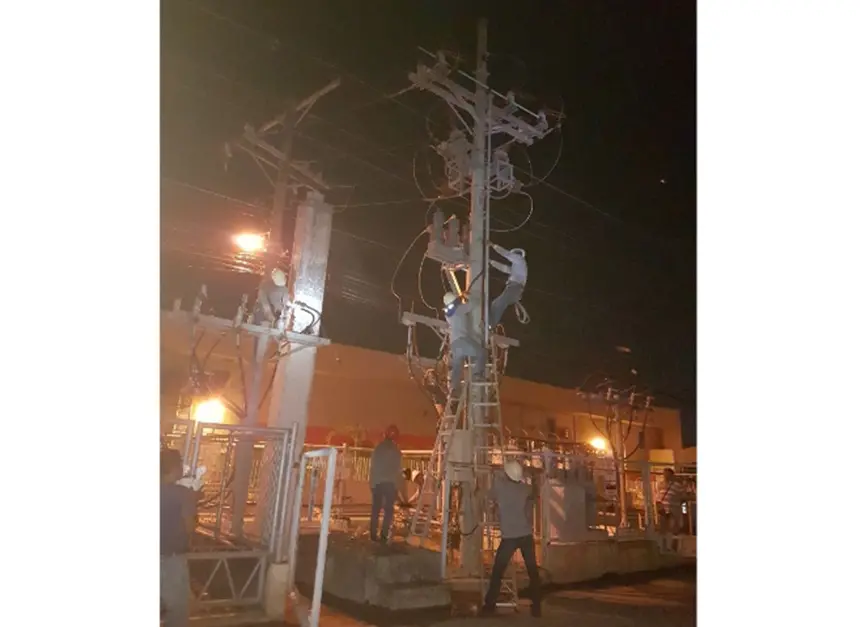
II. Four-Dimensional Strengthening: Eliminating Faults at the Source
We enhance reliability through four key pillars: high-quality components, optimized design, robust interference resistance, and precise settings.
Industrial-Grade Components: We utilize high-performance DSP chips and wide-voltage power modules (85V–265V). These are resistant to extreme temperatures and humidity, ensuring a lifespan of over 15 years.
Optimized Circuitry: Modular design simplifies the structure and enables the device to precisely distinguish between transient and permanent faults. Integrated overcurrent, overvoltage, and lightning protection further increase durability.
Enhanced Interference Resistance: By utilizing shielded enclosures, internal filtering, and optimized grounding, the controller remains stable against electromagnetic interference and lightning strikes.
Continuous Parameter Tuning: Settings are continuously adjustable rather than step-fixed, allowing for precise coordination with overall line protection logic to eliminate configuration-related failures.
III. Proven Results: One Year of Zero Failures
Following the upgrade at the rural substation:
Performance: 12 months of continuous operation with zero nuisance trips and zero failures to operate.
Accuracy: Fault detection precision reached 99%.
Efficiency: Parameter settings are easily managed, reducing the need for site visits.
Economics: Annual O&M costs were reduced by 60,000 RMB (over 60% reduction).
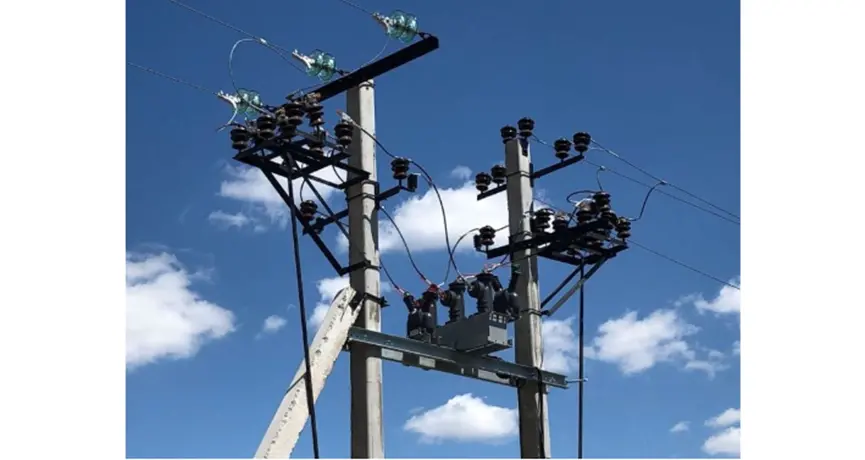
IV. Triple Protection: Total Peace of Mind
Quality Assurance: Dual testing of both components and finished products, with full-item pre-factory inspections.
Technical Support: Comprehensive support for selection, installation, and commissioning, strictly following national and industry standards.
After-Sales Service: One-year free warranty and lifelong maintenance with rapid response to any issues.
Deployed Equipment
-
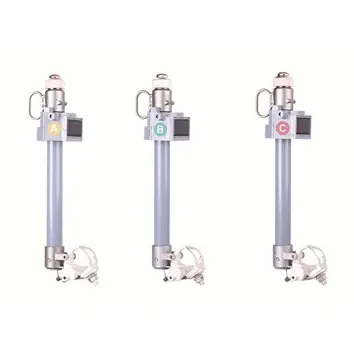
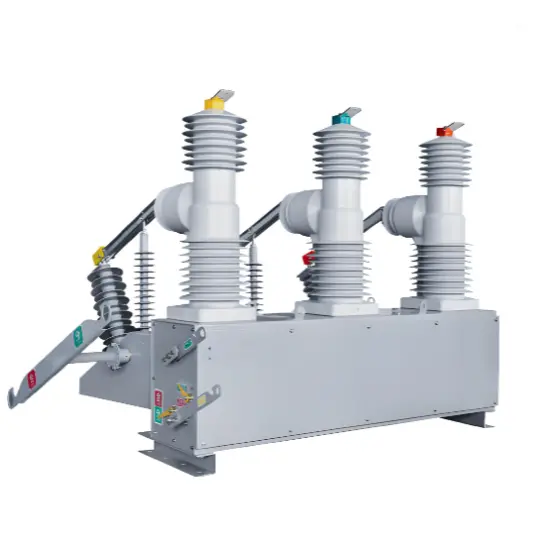 Outdoor Three-Phase High-Voltage Vacuum Circuit Breaker 40.5kVThe recloser is an outdoor high-voltage vacuum circuit breaker designed for 35kV/40.5kV medium-voltage overhead power distribution networks. It integrates a uniquely designed encapsulated pole and highly reliable operating mechanism, enabling it to safely make, carry, and break load currents, overload currents, and short-circuit currents. Engineered for long-term outdoor operation, this device delivers stable performance and minimal maintenance requirements, making it an ideal solution for moder
Reference Projects
-
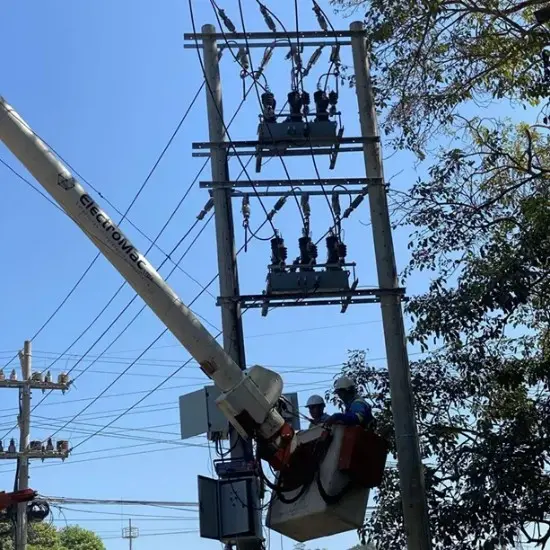 420 Units of 11 kV Automatic Reclosers for Dhaka Grid Upgrade01 General Overview: Dhaka 11 kV Distribution Grid Upgrade1.1 Project BackgroundBangladesh is currently undergoing a period of rapid economic and industrial development, and the growing demand for electricity has placed immense pressure on the local distribution networks. However, the country's existing 11 kV backbone distribution lines are facing severe equipment aging issues. The original switchgear suffers from serious mechanical wear, resulting in not only high failure rates but also sluggis
 -
 RW Energy Colombia PV Plant 35 kV Recloser Controller Project Case StudyFacing the frequency fluctuation and grid connection challenges of Colombia’s low-inertia photovoltaic power grid, this solution leverages customized recloser control and optimized frequency protection technologies to precisely adapt to the local 60Hz grid standard. It effectively addresses grid fluctuation issues under complex grid connection conditions, delivering a highly reliable and strong anti-interference grid protection solution for photovoltaic power plants and ensuring their stable and
 -
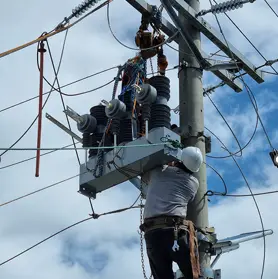 RW Energy Tanzania 325 Units 33 kV Auto Recloser Project Case StudyFocusing on the medium‑voltage distribution network upgrading demands in Tanzania, this solution adopts 325 sets of high‑reliability 33kV auto-reclosers integrated with FTU intelligent control and high environmental adaptability technologies to isolate faults and restore power supply rapidly, consolidating the stable foundation of regional power grids.01 Project Overview1.1 Project BackgroundIn 2025, 325 units of 33 kV auto reclosers were officially supplied and applied to the Tanzania medium-vo
 -
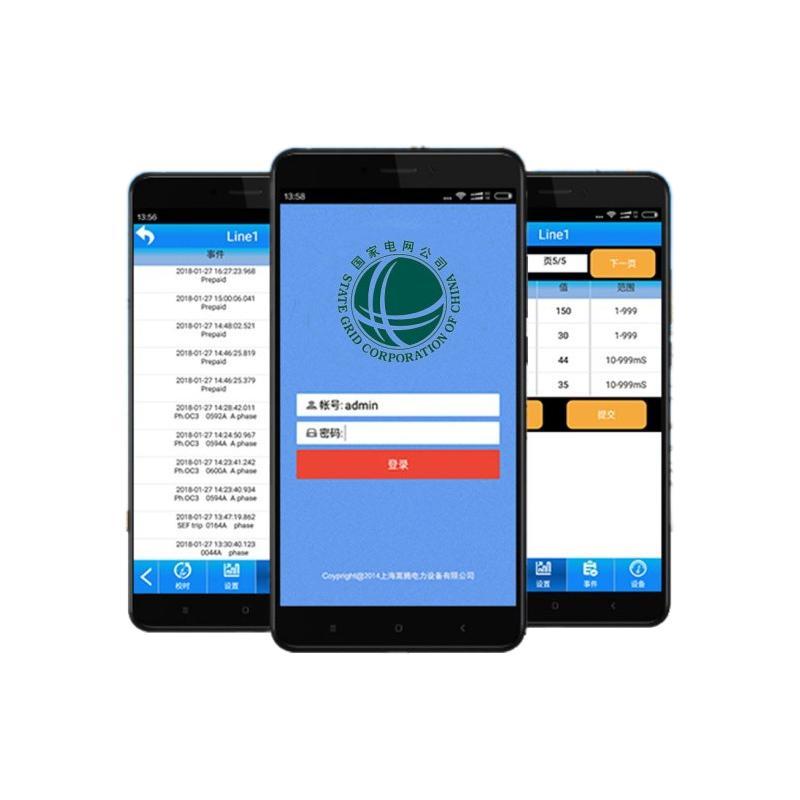 RW Energy Multi Country SMS Based Auto Recloser Controller Case StudyBreaking the communication bottlenecks in remote areas worldwide, this solution takes SMS communication as its core innovation and develops recloser controllers adaptable to multiple countries and diverse climates. Free from reliance on 4G networks, it enables rapid fault early warning and remote operation & maintenance management, helping various regions resolve distribution network operation challenges in remote areas and inject intelligent momentum into global rural power grid upgrading.0
 -
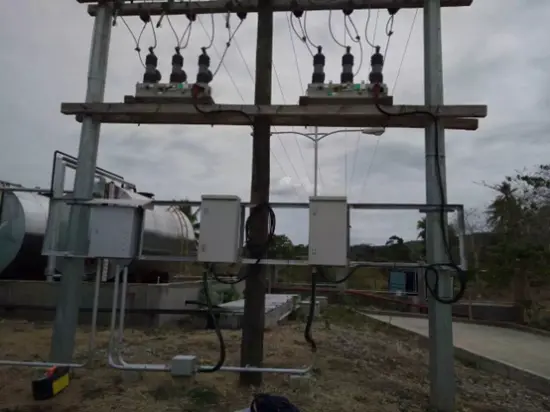 RW Energy Bangladesh 230 Units 11 kV Vacuum Circuit Breaker Intelligence Retrofit Case StudyFocusing on Bangladesh’s distribution network automation upgrade demands, the intelligent retrofitting of 230 sets of 11kV VCBs integrates intelligent control and anti-corrosion technologies. Adopting a cost-effective renewal model for legacy grids, it enables equipment reuse and efficiency improvement, advances regional distribution network digital transformation, and sets a benchmark for the intelligent upgrading of aging switchgear in South Asia.01 Project Overview1.1 Project BackgroundIn Dec
 -
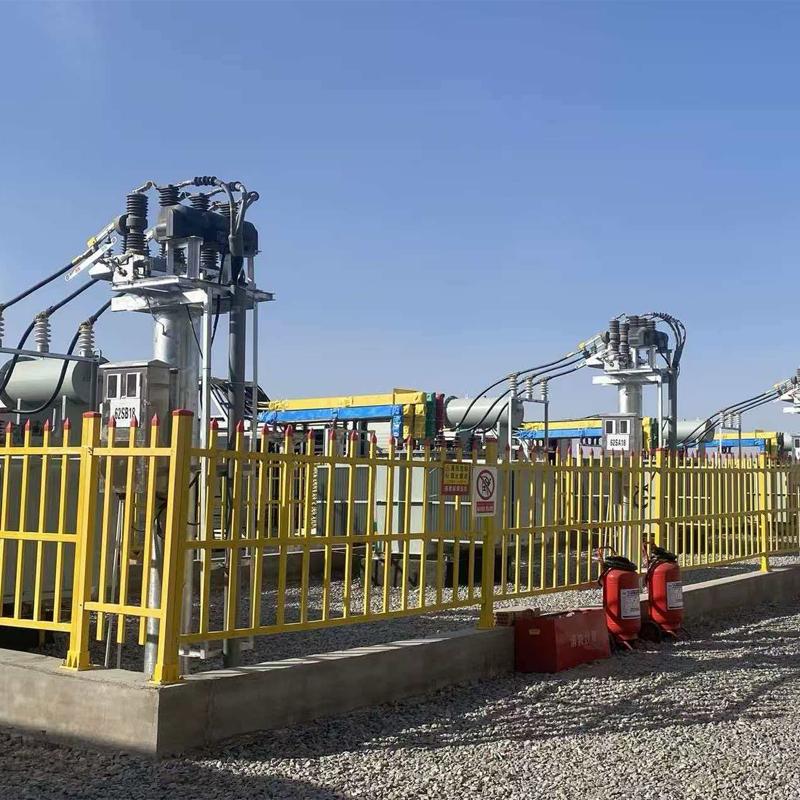 RW Energy Xinjiang Bazhou Large-scale Data Center 6 kV Industrial Grid Intelligent Power Distribution Upgrade Case StudyFocusing on the high-reliability power supply demands of data centers, this project upgrades the 6kV industrial intelligent power distribution system. It enhances anti-sandstorm and wide-temperature environmental adaptability, integrates rapid protection and remote intelligent operation and maintenance technologies, stably supports high-density computing loads, and empowers the intelligent transformation of power grids in western computing hubs.01 Project Overview1.1Project BackgroundBayingolin