Detailed Explanation of Capacitor-based Terminal Voltage Regulation Device
Capacitor-based terminal voltage regulation device is a cost-effective solution to fix the low voltage issue at the end of long transmission lines.
Core Principle:
Connect capacitor banks in parallel at the end of distribution lines to supply capacitive reactive power, which offsets the inductive reactive power transmitted on the lines. This can greatly cut down the voltage loss caused by line reactance and directly boost the terminal voltage.
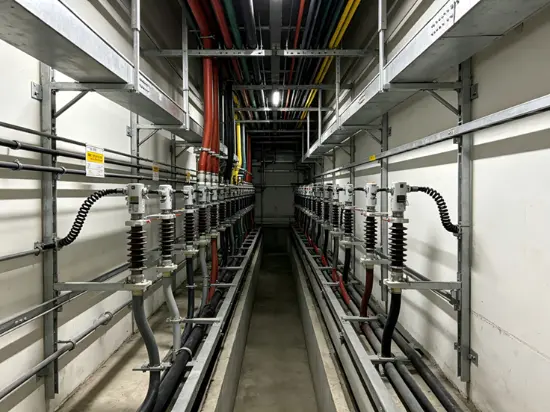
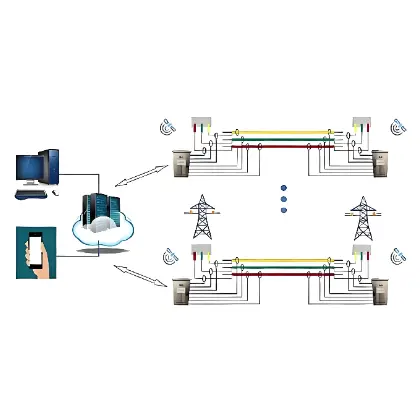
Device Composition: The mainstream type now is auto-switching, consisting of multiple sets of intelligent capacitor banks, surge protectors, dehumidifiers, wireless transmission gateways and other components. Intelligent capacitors monitor line voltage in real time and switch on/off capacitors accurately and automatically to keep the voltage stable within the qualified range.
Key Features:
Advantages: Realizes local compensation with remarkable voltage lift effect; also helps reduce line loss, improve power factor and free up line capacity; mature in technology and low in cost.
Disadvantages: May lead to harmonic amplification or resonance; has limited compensation range, especially with little effect on voltage drop caused mainly by active power loss.
Typical Applications: It’s widely used in scenarios with long power supply radius like rural power grids, remote mining areas and livestock farms. It’s the preferred low-cost regulation method targeting low voltage problems caused by reactive power shortage.